YOU ARE COOKING TO SOMEONE ELSE'S PALATE.
Every recipe you have ever followed was written by someone else, for someone else's taste, calibrated to someone else's idea of what food should taste like.
You followed the instructions. The food was fine. And eventually, everything started to taste the same.
This archive exists to fix that.
But that is not why it was built.
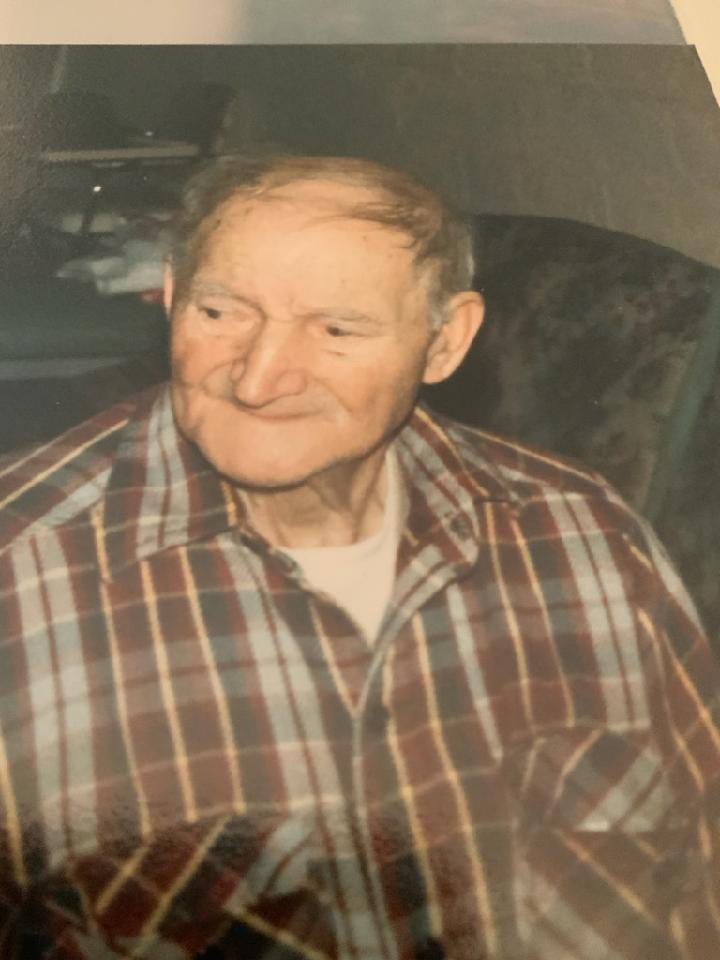
Michael.
Western Pennsylvania.
Sixteen miles a day.
He is the reason all of this exists.
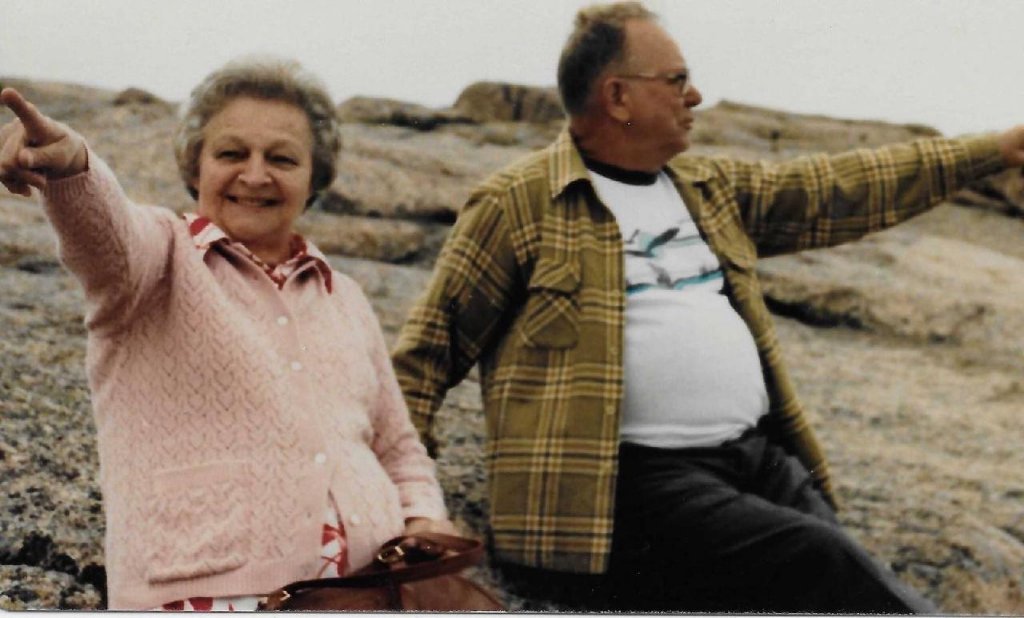
Paul 'Corky' and Mary.
He built the house. She filled it.
Seven children. Friday nights.
Hunky Popcorn.
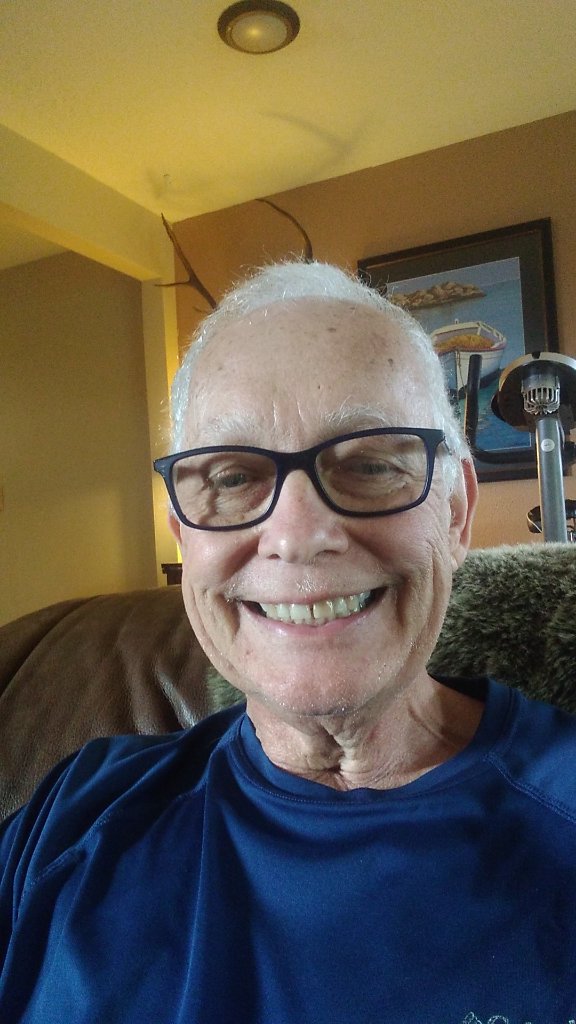
Michael.
The Palate Provocateur's father.
Note the painting on the wall behind him.
He didn't plan that detail. It was just true.
After 70 years of Hunky Popcorn — just looking for the perfect pop.
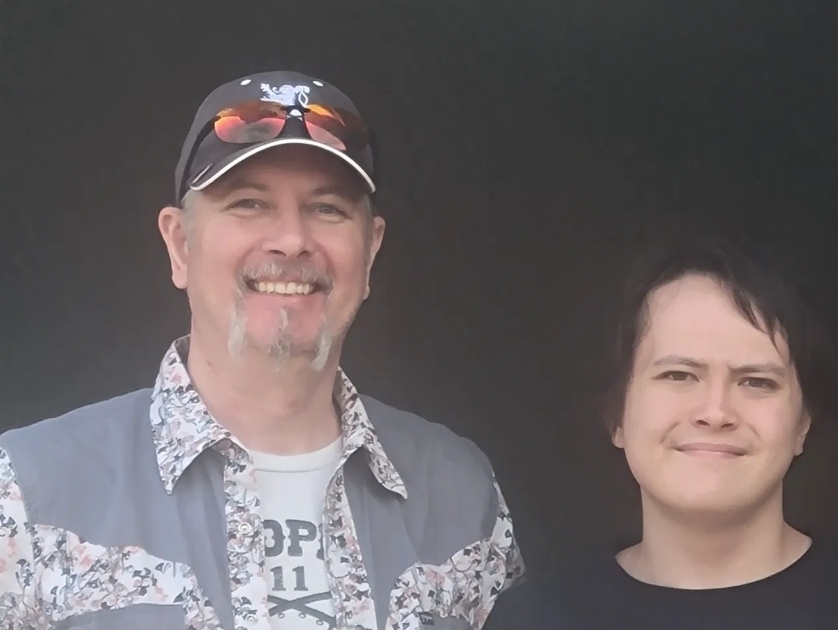
Michael and Michael.
Cedar Park, Texas. 2024.
He knows the recipe.
He has sticky hands. He drinks iced water.
The transmission continues.
My grandfather's name was Paul. Everyone who loved him called him Corky.
His father was Michael — a coal miner in Western Pennsylvania. Every day, Michael walked eight miles to the mines and eight miles back. Sixteen miles, on foot, every working day of his life, so his family would not go hungry.
Corky watched that. Not the coal. Not the darkness underground. The walk. A man who covered sixteen miles a day because that was what the day required, because there were people at home depending on him, because there was no other option he was willing to consider.
Corky became a steelworker in Pittsburgh. And then he built his family a house.
Not from lumber. From bricks — salvaged from wrecked buildings in his town, carried by hand up the highest hill in the area. A hill so steep that cars could not pass when there was ice on the ground. Corky lugged those bricks up that hill himself, one load at a time, and built something permanent at the top of it.
He did not build on flat ground. He built on the highest hill in town.
He raised seven children there. He had almost nothing.
On Friday nights, he made popcorn.
Not gourmet popcorn. A wok, some oil, a stick of butter, four cloves of garlic smashed with the heel of his hand, and four times as much Velveeta as butter — a ratio he arrived at without measuring, by feel, by the smell of the kitchen, by the look on seven faces when he got it right.
He got it right every time.
He called it Hunky Popcorn. It is the first protocol in this archive. It is the reason this archive exists.
I learned to make Hunky Popcorn when I was six years old.
My first clearance: retrieve the butter and the cheese from the refrigerator. Nothing more. I watched my father work the wok. I was six years old and I understood, without being told, that I was watching something important.
I was a Gen X kid. There were afternoons when nobody was home. The kitchen was available. The wok was on the shelf. I practiced. Not because anyone told me to — because the knowledge was in the kitchen and I wanted it in my hands.
I received full clearance at age ten. I made it for the family. It was mine to execute.
Near the end of his life, Corky ate a bowl of Hunky Popcorn that I made for him.
"Your Hunky Popcorn is good.
Now it's yours.
Thank you for cooking for me."
— Paul "Corky" · Pittsburgh, PA
I have not forgotten a single word of that. I never will.
My father and I make it together whenever we are in the same place. Not as a ritual. Because it is what we do when we are together. It always has been.
My father's name is Michael. His father was Paul, who everyone called Corky. Corky's father was Michael, who walked sixteen miles a day to the coal mines.
My son's name is Michael.
I want to tell you why this archive exists. Not the culinary philosophy — that is real, and I believe every word of it. But the reason underneath the reason.
My son is 21 years old. He has high-functioning autism and ADHD. He is one of the hardest working people I have ever known. He has not missed a single day of school since kindergarten. He finished college. He works at HEB, our local grocery store in Cedar Park, Texas. He drives. He owns his own car. He saves money. He invests in his collections and his gym membership. He is building a life.
He will need support that most young men do not need — for longer than most young men need it — and there will come a day when my wife and I cannot be the ones providing it.
I am building this archive for him.
The majority of what this project generates goes toward his savings, toward investment accounts we are building in his name, toward a nest egg that will be there for him when we cannot be.
I am Corky now. The resources are different. The intention is identical.
I want him to have a full belly when I am not here to provide it. I want him to have something that was built with him in mind, by someone who loved him, that continues to work long after I am gone.
Hunky Popcorn was the first thing I taught him to cook. He has sticky hands. He drinks iced water. He knows the recipe.
The transmission continues.
His name is Michael.
The SCIF — Sensory Culinary Implementation Facility — is a membership archive of protocols.
Not recipes. Protocols.
A recipe tells you what to do. A protocol tells you what to do and exactly why — the mechanism behind the technique, the science behind the result, the reason the dish tastes the way it does and how to apply that reason to every other dish you will ever cook.
I am not a chef. That is not the point. What I have is technique built from experience — accumulated over years of cooking for a family with specific needs, specific preferences, and honest opinions. My wife is on a low-sodium diet. My son will tell you exactly what he thinks. The family jury does not soften its verdicts.
That is the standard every protocol in this archive is built to meet.
The best ingredients matter — and the archive documents when and why they matter. But Corky made Hunky Popcorn with Velveeta and standard white table salt. His father walked sixteen miles a day to the mines. Corky carried bricks up a hill cars couldn't climb and built a house at the top. And on Friday nights — popcorn that made seven people feel like they had everything.
Because the technique was correct. Because the experience was real. Because the intention was to make the people in the room happy, and he knew exactly how.
The archive teaches that. Take your budget — whatever it is — and get everything it is capable of producing. Take the ingredients already in your refrigerator and understand them well enough to use them at their full potential.
Most home cooks leave value on the table. Not because they bought the wrong things — because nobody ever explained the mechanism that would have made what they already had work the way it was supposed to.
The protocols fix that. 25 confirmed techniques. A technique library that grows with every new protocol. A family jury that does not soften its verdicts. And every step explains its why.
Your grandmother's recipe cards are in a drawer somewhere. Your mother's handwriting is on them. The dish works when you follow the instructions, and you have never known why — which means you have never known how to adjust it, scale it, rescue it when something goes wrong, or teach it to your children in a way that transfers the mechanism rather than just the steps.
You are not buying recipes. You are building a personal culinary reference library that compounds in value with every entry.
You already own a library. You have been missing the key. This is the key.
Join the SCIF because you are tired of cooking to someone else's palate.
Join because you want to understand why food works, not just how to follow instructions.
Join because you want to take your budget — whatever it is — and get everything that budget is capable of producing.
Join because Corky would have.
A man whose father walked sixteen miles a day to the coal mines — who watched that, absorbed it, and then carried bricks up a hill that cars could not climb in winter to build his family a permanent home on the highest ground available — he understood without a culinary vocabulary that the mechanism is the point. That you work with what you have until you understand it completely, and then you build something permanent at the top of the hill.
The SCIF is the archive he would have wanted. It is the one I am building for my son. It is yours if you want it — all of it, or just the part that is useful to you right now.
I do not run ads on this site. I do not take sponsorships. I do not accept payment to feature products I would not use in my own kitchen.
What you read here is what I actually cook, actually document, and actually believe.
The family jury ratings are real. The field notes are real. The failures are documented alongside the successes.
This is not a polished content machine. It is a kitchen, a notebook, and a father trying to build something that lasts.
IN MEMORY OF
Michael — Coal Miner · Western Pennsylvania
Sixteen miles a day. So his family would not go hungry.
Paul 'Corky' — Steelworker · Pittsburgh, Pennsylvania
He carried bricks up the highest hill in town
and built something permanent at the top of it.
Then he made popcorn on Friday nights.
PP-PROTOCOL-000.01 · HUNKY POPCORN · THE FOUNDING DOCUMENT